Why Choose Madison Dental Care for Advanced Periodontal Treatment
Decades of Experience in North Alabama
Madison Dental Care has been the trusted choice for complex periodontal treatment in Huntsville, Athens, Decatur, and surrounding communities for over 35 years. Our three experienced dentists have successfully treated thousands of patients with advanced gum disease.
- Comprehensive Treatment Philosophy: We don’t just treat the symptoms—we address all contributing factors and work with you to prevent future problems.
- State-of-the-Art Facility: Our modern practice at 810 Palmer Plaza features advanced diagnostic and treatment technologies that improve outcomes and patient comfort.
- Collaborative Approach: When specialized care is needed, we work closely with North Alabama’s leading periodontists and oral surgeons to ensure seamless treatment.
- Patient-Centered Care: We understand that advanced periodontitis can be overwhelming, so we take time to explain your condition, discuss all treatment options, and support you throughout the healing process.
- Ongoing Support: Our commitment to your oral health extends far beyond initial treatment, with comprehensive maintenance programs designed to preserve your results long-term.
 What is Advanced Periodontitis?
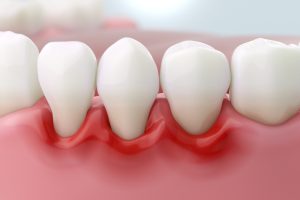
Advanced periodontitis represents the most severe stage of periodontal disease, characterized by extensive destruction of the gums, periodontal ligament, and supporting bone around your teeth. This condition develops when earlier stages of gum disease—gingivitis and moderate periodontitis—are left untreated, allowing bacterial infection to progress deeper into the periodontal structures.
During advanced periodontitis, the ongoing bacterial infection and inflammatory response cause significant tissue destruction, resulting in:
- Deep periodontal pockets (typically 7mm or deeper)
- Substantial bone loss around affected teeth
- Tooth mobility and potential tooth loss
- Gum recession and root exposure
- Formation of abscesses and pus
The Progressive Stages of Gum Disease
Understanding how gum disease progresses helps illustrate the importance of early intervention:
Gingivitis: The earliest stage features red, swollen gums that bleed during brushing or flossing. This stage is completely reversible with proper treatment and oral hygiene.
Moderate Periodontitis: Inflammation spreads below the gumline, creating pockets between teeth and gums (5-6mm deep). Some bone loss begins, but the condition can still be effectively managed.
Advanced Periodontitis: Severe bone and tissue destruction occur, with deep pockets (7mm+), significant tooth mobility, and potential systemic health implications. While irreversible, the condition can be controlled with intensive treatment.
What Causes Advanced Periodontitis?
Several factors contribute to the development and progression of advanced periodontal disease:
Primary Risk Factors
- Poor Oral Hygiene Habits: Inconsistent or inadequate brushing and flossing allow bacterial plaque and tartar to accumulate, creating an environment where harmful bacteria thrive and multiply.
- Tobacco Use: Smoking and other forms of tobacco use are among the most significant risk factors for severe gum disease. Tobacco weakens your immune system, reduces blood flow to the gums, and impairs healing responses.
- Genetic Predisposition: Family history plays a crucial role in periodontal disease development. Some people are genetically more susceptible to aggressive forms of gum disease, even with good oral hygiene.
Contributing Medical Conditions
- Diabetes: Poorly controlled blood sugar creates ideal conditions for bacterial growth and impairs your body’s ability to fight infection and heal damaged tissues.
- Autoimmune Disorders: Conditions that compromise your immune system make it difficult for your body to combat the bacterial infections that cause gum disease.
- Hormonal Changes: Pregnancy, menopause, and certain hormonal medications can make gums more sensitive to bacterial irritants.
Lifestyle and Environmental Factors
- Chronic Stress: Long-term stress suppresses immune function and increases inflammation throughout your body, including your gums.
- Poor Nutrition: Diets lacking essential nutrients, particularly vitamin C and vitamin D, weaken your body’s ability to maintain healthy gum tissue and fight infection.
- Certain Medications: Some prescription drugs can cause gum overgrowth or reduce saliva production, increasing your risk of periodontal problems.
Recognizing Advanced Periodontitis Symptoms
Advanced periodontitis typically produces more noticeable and severe symptoms than earlier stages of gum disease. If you’re experiencing any of these warning signs, seek professional evaluation immediately:
 Visible Changes
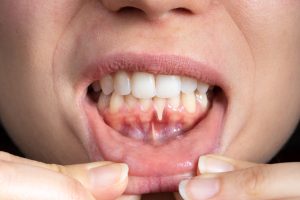
- Severe Gum Recession: Your gums pull away from your teeth dramatically, making your teeth appear much longer and exposing sensitive root surfaces.
- Deep Red or Purple Gums: Healthy gums are pale pink, but advanced inflammation causes gums to appear dark red or purple.
- Gum Abscesses: Pus-filled pockets form in your gums, indicating a severe bacterial infection that requires immediate attention.
- Swollen, Tender Gums: Your gums may be noticeably swollen and painful to the touch.
Functional Problems
- Loose or Shifting Teeth: As supporting bone is destroyed, your teeth may feel loose, move when touched, or gradually shift position.
- Painful Chewing: Eating becomes uncomfortable, especially when biting down on hard or chewy foods.
- Changes in Bite: Your teeth may not fit together properly when you close your mouth, or your dentures may no longer fit correctly.
- Difficulty Speaking: Loose teeth or missing teeth may affect your ability to speak clearly.
 Other Warning Signs
- Persistent Bad Breath: Chronic halitosis that doesn’t improve with brushing, flossing, or mouthwash use often indicates advanced bacterial infection.
- Constant Bad Taste: A metallic or foul taste in your mouth that persists throughout the day.
- Bleeding Gums: Your gums bleed easily and frequently, not just during oral care but also while eating or even spontaneously.
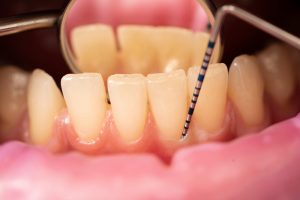
- Deep Periodontal Pockets: During dental examination, pockets measuring 7mm or deeper between your teeth and gums indicate advanced disease.
If you’re experiencing any symptoms of advanced periodontal disease, don’t delay treatment—contact our experienced dental team in Madison at (256) 772-2626.
Advanced Treatment Options for Severe Periodontitis
Treating advanced periodontitis requires a comprehensive, multi-phase approach designed to eliminate infection, reduce inflammation, and restore as much function as possible. Treatment options include:
Surgical Periodontal Therapy
- Flap Surgery (Pocket Reduction Surgery): We carefully lift your gums to access deep pockets, remove infected tissue and tartar deposits, and then reposition the gums to reduce pocket depths and make future cleaning more effective.
- Bone Grafting: When significant bone loss has occurred, we may recommend grafting procedures using synthetic materials, processed donor bone, or your own bone to rebuild lost support structures.
- Soft Tissue Grafts: To address severe gum recession, we can graft healthy tissue from other areas of your mouth to cover exposed tooth roots, reduce sensitivity, and improve appearance.
- Guided Tissue Regeneration: This advanced technique uses special barrier membranes to encourage your body to regenerate bone and periodontal ligament while preventing unwanted tissue growth.
Regenerative Procedures
- Enamel Matrix Proteins: Application of special proteins that stimulate your body’s natural ability to regenerate periodontal tissues.
- Platelet-Rich Plasma (PRP): Using concentrated platelets from your own blood to accelerate healing and tissue regeneration.
- Growth Factor Therapy: Application of growth factors to stimulate tissue repair and regeneration in severely damaged areas.
Supportive Therapies
- Antibiotic Treatment: Systemic or locally-delivered antibiotics help eliminate harmful bacteria and support healing, especially in cases with active infection.
- Antimicrobial Irrigation: Deep cleaning of periodontal pockets with antimicrobial solutions to reduce bacterial load.
- Laser Therapy: Advanced laser treatment to remove infected tissue and bacteria while promoting healing with minimal discomfort.
Post-Treatment Maintenance
After active treatment for advanced periodontitis, ongoing maintenance is crucial to prevent recurrence:
- Frequent professional teeth cleanings every three to four months
- Regular periodontal evaluations to monitor healing and prevent progression
- Customized oral hygiene programs tailored to your specific needs
- Risk factor management, including tobacco cessation and diabetes control
To learn more about your treatment options, contact our Madison dental office at (256) 772-2626.
Long-Term Management and Prevention
Successfully managing advanced periodontitis requires a lifelong commitment to oral health. Here’s what you can expect:
Maintenance Phase Care
- Regular Periodontal Maintenance: Professional cleanings every three to four months are essential to remove plaque and tartar that can cause disease recurrence.
- Home Care Excellence: We’ll teach you specialized techniques for cleaning around treated areas and maintaining optimal oral hygiene.
- Risk Factor Management: Ongoing attention to factors like tobacco use, diabetes control, and stress management helps prevent disease progression.
- Regular Monitoring: Periodic reassessment ensures early detection of any changes in your periodontal health.
Lifestyle Modifications for Success
- Tobacco Cessation: Quitting smoking or using other tobacco products dramatically improves treatment success and long-term outcomes.
- Nutritional Support: A diet rich in anti-inflammatory foods, vitamins, and minerals supports healing and ongoing gum health.
- Stress Management: Finding healthy ways to manage stress helps support your immune system and overall healing capacity.
- Medical Care Coordination: Working with your physician to manage diabetes and other health conditions that affect your gums.
Advanced Periodontitis and Your Overall Health
Research continues to reveal important connections between severe gum disease and systemic health conditions:
Cardiovascular Health
Advanced periodontitis significantly increases your risk of heart disease, stroke, and other cardiovascular problems. Bacteria from infected gums can enter your bloodstream and contribute to arterial inflammation and plaque formation.
Diabetes Complications
Severe gum disease makes blood sugar control more difficult, while poor diabetes management increases your risk of periodontal problems. Treating advanced periodontitis can improve glycemic control.
Respiratory Issues
Bacteria from periodontal infections can be aspirated into your lungs, potentially causing pneumonia or worsening existing respiratory conditions like COPD.
 Pregnancy Risks
Women with advanced periodontitis face increased risks of preterm birth, low birth weight babies, and other pregnancy complications.
Other Health Connections
Emerging research suggests links between severe gum disease and conditions including rheumatoid arthritis, kidney disease, and certain cancers.