Trusted Periodontal Care in North Alabama
With more than 35 years of experience, Madison Dental Care has been a trusted provider of periodontal treatment for patients in Huntsville, Athens, Decatur, and surrounding North Alabama communities. Dr. Burgess, Dr. Roth, and Dr. Randall bring extensive expertise in managing all stages of gum disease, focusing not only on relieving symptoms but also on addressing the root causes to protect your long-term oral health.
At our modern office in 810 Palmer Plaza, we use advanced diagnostic and treatment technologies to deliver precise, effective care in a comfortable setting. Every treatment plan is personalized to meet your unique needs, and our gentle approach ensures your experience is as stress-free as possible. We also prioritize patient education, taking the time to explain your condition and guide you through preventive steps to keep your gums healthy for years to come.
 What is Moderate Periodontitis?
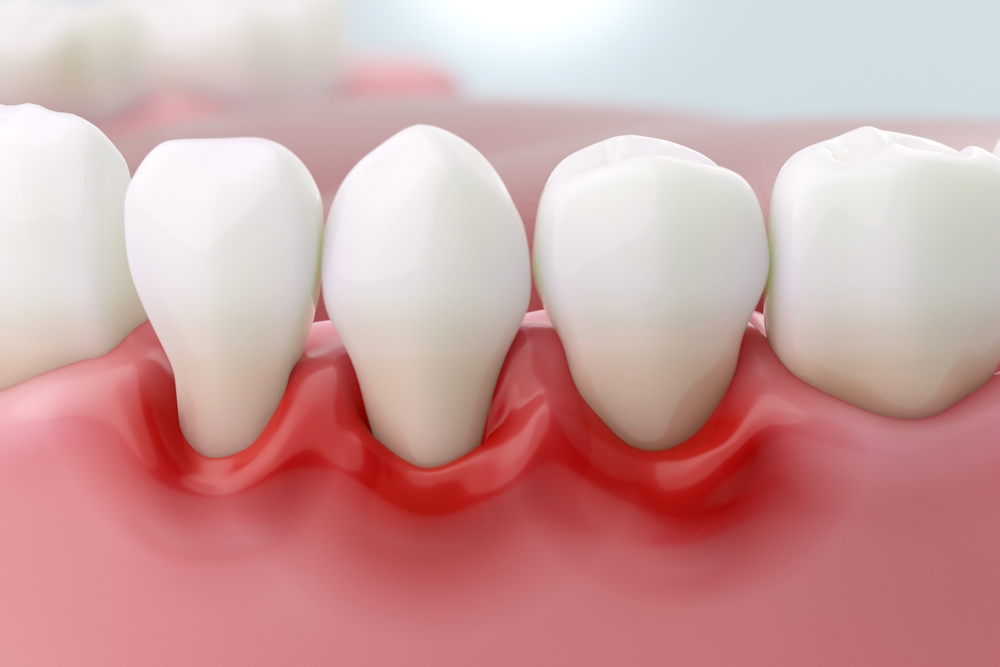
Moderate periodontitis is an advanced stage of gum disease that develops when gingivitis is left untreated. During this stage, the infection spreads below the gumline, affecting the periodontal ligaments and alveolar bone that support your teeth. The hallmark of moderate periodontitis is the formation of deeper periodontal pockets (typically 5-6 mm deep) and noticeable bone loss around the affected teeth.
This condition occurs when bacterial plaque and tartar buildup irritate the gums, causing chronic inflammation. Over time, this inflammation destroys the connective tissues and bone that hold your teeth in place. Unlike gingivitis, which is completely reversible, the damage from moderate periodontitis cannot be fully undone, but it can be controlled and prevented from progressing further.
What Causes Moderate Periodontitis?
Understanding the causes and risk factors of moderate periodontitis can help you take steps to prevent its development or progression:
Primary Causes
Plaque and Tartar Accumulation: When plaque isn’t removed through regular brushing and flossing, it hardens into tartar, which can only be removed by professional dental cleaning. This tartar provides a rough surface where more bacteria can accumulate.
Bacterial Infection: Harmful bacteria in plaque produce toxins that trigger an inflammatory response, gradually destroying gum tissue and bone. Certain bacteria, such as Porphyromonas gingivalis, are particularly damaging to periodontal tissues.
Risk Factors That Increase Your Chances
- Poor Oral Hygiene: Inadequate or improper brushing and flossing allow plaque to build up along the gumline and between teeth.
- Tobacco Use: Smoking and using other tobacco products significantly increase your risk of developing periodontal disease and make treatment less successful.
- Genetics: Some people are genetically predisposed to gum disease, even with excellent oral hygiene habits.
- Hormonal Changes: Fluctuating hormones during pregnancy, menopause, or puberty can make gums more sensitive to bacteria.
- Chronic Medical Conditions: Diabetes, HIV, cancer, and other conditions that affect your immune system make it harder for your body to fight off infections.
- Certain Medications: Some drugs can affect your oral health by reducing saliva flow or causing abnormal gum tissue growth.
- Poor Nutrition: A diet lacking essential nutrients, especially vitamin C, can weaken your immune system and make your gums more susceptible to infection.
- Chronic Stress: Long-term stress can weaken your immune system, making it harder for your body to fight off periodontal infections.
Are you concerned about gum disease symptoms? Contact our experienced dentists in Madison at (256) 772-2626 to schedule your comprehensive periodontal evaluation.
Recognizing the Signs of Moderate Periodontitis
Moderate periodontitis often develops gradually, and many patients don’t realize they have it until the condition has progressed significantly. Being aware of these warning signs can help you seek treatment before more serious damage occurs:
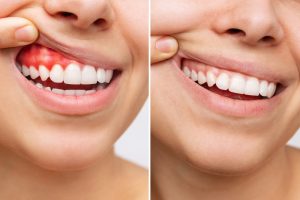
- Red, Swollen, or Bleeding Gums: Your gums may appear bright red or purple and feel tender to the touch. They may bleed easily during brushing, flossing, or even eating.
- Persistent Bad Breath: Chronic halitosis that doesn’t improve with regular brushing and mouthwash use often indicates bacterial buildup associated with gum disease.
- Gum Recession: Your gums may begin pulling away from your teeth, making your teeth appear longer than normal. This can also cause increased tooth sensitivity.
- Loose or Shifting Teeth: As the bone supporting your teeth is destroyed, you may notice that your teeth feel loose or are changing position.
- Pus Formation: You may notice pus or discharge between your teeth and gums, which indicates an active infection.
- Pain While Chewing: Discomfort or pain when biting down or chewing food can signal periodontal problems.
- Changes in Your Bite: Your teeth may not fit together the same way when you close your mouth, or you may notice changes in how your partial dentures fit.
- Deep Periodontal Pockets: During a dental examination, your dentist may find pockets between your teeth and gums that measure 5-6 mm or deeper.
Comprehensive Treatment Options for Moderate Periodontitis
At Madison Dental Care, we offer several effective periodontal treatment approaches, tailored to your specific condition and needs:
 Non-Surgical Treatments
- Scaling and Root Planing: This deep cleaning procedure is often the first line of treatment for moderate periodontitis. During scaling, we remove plaque and tartar from above and below the gumline. Root planing involves smoothing the tooth roots to help your gums reattach and prevent future bacterial buildup.
- Antibiotic Therapy: We may prescribe topical or oral antibiotics to help control the bacterial infection, especially in cases with deeper periodontal pockets. These medications work alongside mechanical cleaning to eliminate harmful bacteria.
- Antimicrobial Mouth Rinses: Special prescription mouth rinses can help reduce bacteria and control inflammation as part of your ongoing maintenance routine.
Surgical Treatments
When non-surgical methods aren’t sufficient for moderate periodontitis, surgical intervention may be necessary:
- Flap Surgery (Pocket Reduction Surgery): During this procedure, we lift back the gums to remove tartar deposits and bacteria from deep periodontal pockets. The gums are then repositioned to fit snugly around the teeth, reducing pocket depth and making it easier to keep the area clean.
- Soft Tissue Grafts: If gum recession has occurred, we may recommend grafting procedures to cover exposed tooth roots, reduce sensitivity, and improve the appearance of your smile.
- Guided Tissue Regeneration: This advanced technique uses special membranes to encourage the regrowth of bone and tissue that have been destroyed by periodontal disease.
- Laser Therapy: We may use advanced laser technology to remove infected tissue and bacteria with minimal discomfort and faster healing times.
Ongoing Maintenance and Care
After your initial periodontal treatment, regular maintenance is crucial to prevent the recurrence of moderate periodontitis:
- Frequent professional dental checkups and cleanings (typically every three to four months, with signs of gum disease)
- Meticulous daily oral hygiene at home
- Regular monitoring of your periodontal health
- Lifestyle modifications to reduce risk factors
Preventing Periodontitis: Your Best Defense
While moderate periodontitis requires professional treatment, prevention is always the best approach. Here are essential steps to protect your gum health:
 Maintain Excellent Oral Hygiene: Brush your teeth at least twice daily with a soft-bristle toothbrush and fluoride toothpaste. Spend at least two minutes cleaning all tooth surfaces, paying special attention to the gumline.
- Floss Daily: Remove plaque and food particles from between your teeth where your toothbrush can’t reach. If traditional floss is difficult to use, consider water flossers or interdental brushes.
- Use Antimicrobial Mouthwash: An antiseptic mouth rinse can help reduce bacteria and reach areas that brushing and flossing might miss.
- Schedule Regular Dental Visits: Professional cleanings and examinations allow us to catch gum disease in its earliest stages when it’s most treatable.
- Don’t Use Tobacco: If you smoke or use other tobacco products, quitting is one of the best things you can do for your gum health.
- Eat a Balanced Diet: Foods rich in vitamins and minerals, particularly vitamin C and calcium, support healthy gums and bones.
- Manage Health Conditions: Work with your physician to control diabetes and other conditions that can increase your risk of gum disease.
- Reduce Stress: Find healthy ways to manage stress, as chronic stress can weaken your immune system and make you more susceptible to infections.
- Stay Hydrated: Drinking plenty of water helps wash away bacteria and food particles throughout the day.
The Connection Between Gum Health and Overall Wellness
Research continues to reveal important connections between periodontal disease and your overall health:
- Cardiovascular Disease: Bacteria from infected gums can enter your bloodstream and contribute to the formation of arterial plaques, increasing your risk of heart attack and stroke.
- Diabetes: Gum disease can make it more difficult to control blood sugar levels, while diabetes increases your susceptibility to infections, including gum disease.
- Respiratory Problems: Bacteria from your mouth can be inhaled into your lungs, potentially causing or worsening conditions like pneumonia.
- Pregnancy Complications: Pregnant women with gum disease may face increased risks of premature birth, low birth weight babies, and other complications.
- Rheumatoid Arthritis: Some studies suggest connections between the inflammation associated with gum disease and rheumatoid arthritis.
Taking care of your gums is an investment in your overall health and quality of life. Call our Madison dentists at (256) 772-2626 to schedule your periodontal treatment near you.