Dental Bridges in Madison, AL

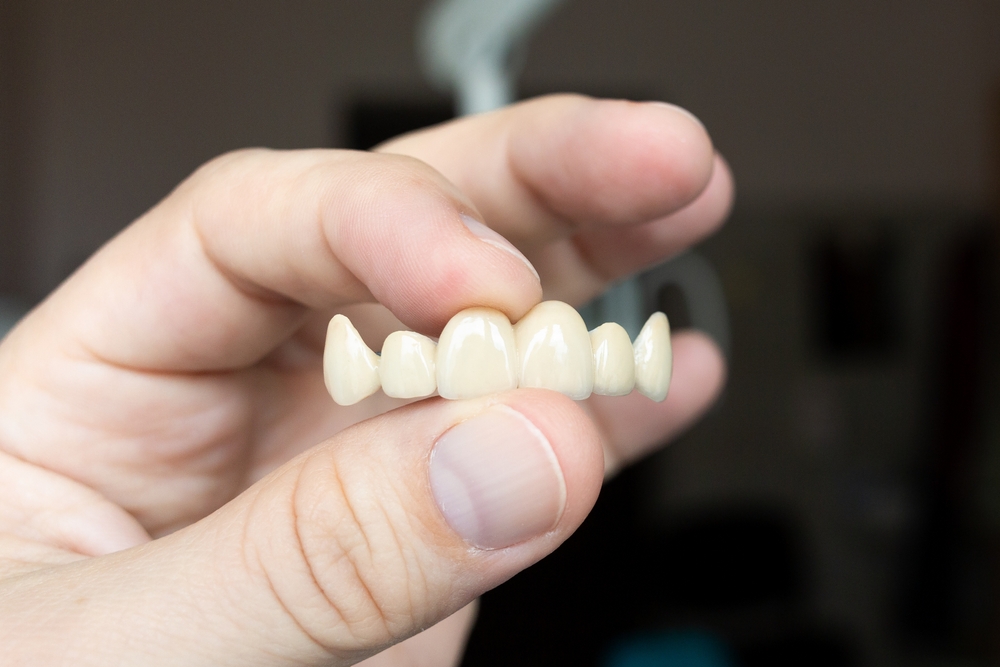
dentist holding dental bridge

Beautiful, Fixed Solutions for Replacing Missing Teeth

If you are missing one or more consecutive teeth, a dental bridge offers a strong, fixed, and natural-looking solution to restore your smile and chewing function. At Madison Dental Care, Dr. Burgess, Dr. Roth, and Dr. Randall utilize state-of-the-art materials like porcelain and ceramic to custom-design bridges that seamlessly fill the gap in your smile. This restorative treatment helps maintain your facial structure and prevent common oral health issues associated with tooth loss.

When a tooth is lost, the surrounding teeth can gradually drift into the empty space, causing bite misalignment, chewing problems, and strain on the remaining teeth and jaw. A bridge solves this by literally “bridging” the gap.

Ready to close the gap in your smile and restore full function? Call our dental clinic in Madison today at (256) 772-2626 to book your consultation for a dental bridge. We proudly serve patients from the surrounding communities of Huntsville, Athens, and Decatur, helping patients achieve complete and healthy smiles.

Why Choose Madison Dental Care for Dental Bridges

High Recommendations and Long-Term Loyalty

Many patients have been with us for years and enthusiastically recommend us to friends and family, reflecting our commitment to building lasting relationships.

  • “I’ve been a patient of this office for over a decade and have ALWAYS been pleased with the professionalism, communication, and services… If you’re looking for a friendly place with quality service, this is your dentist!”Caroline K.
  • “Dr. Burgess and his team always take excellent care of us. My husband and I have been his patients for over 10 years, and we truly appreciate their professionalism and kindness.”Sebnem Y.
  • “Love everyone at this office. Doctors and staff are professional, highly skilled, knowledgeable, kind, and patient. For anyone needing dental care, I totally recommend this dental group.”Patti W.
  • “I love Madison Dental Care! ALL of staff are welcoming, warm and professional… I would highly recommend Madison Dental Care!”Kimberly B.
  • “Madison dental is an exceptional facility. I have been going there for at least 10 years and the entire staff is phenomenal! Everyone from the office to the physicians are very knowledgeable, courteous, and always greets with a smile.”Gwendolyn P.

What Is a Dental Bridge?

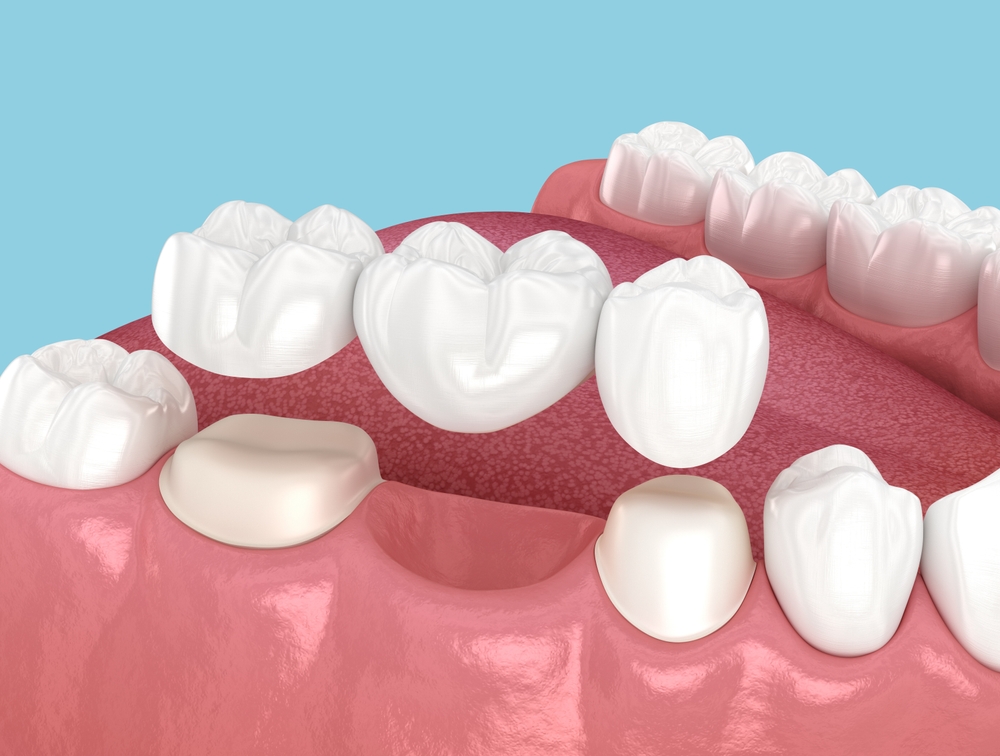
A dental bridge is a permanent, non-removable appliance used to replace one or more missing teeth by joining an artificial tooth (pontic) to adjacent teeth or dental implants. It gets its name because it literally bridges the space created by the missing tooth or teeth. The two main components are the pontic, which is the false tooth, and the crowns (abutments), which are cemented onto the teeth on either side of the gap. This fixed prosthetic restores the bite, prevents remaining teeth from shifting, and helps maintain the shape of your face. Bridges are custom-designed to match the color and contour of your natural teeth.

Types of Dental Bridges

The best type of dental bridge for you will depend on the health of your adjacent teeth and the specific location of the missing tooth in your mouth. We will thoroughly evaluate your oral health to recommend the most stable and appropriate option.

  • Traditional Bridge: This is the most common type, used when you have natural teeth on both sides of the gap; crowns are placed on the abutment teeth to anchor the pontic.
  • Cantilever Bridge: Used when there is only one adjacent tooth available to serve as the abutment to support the bridge. It is often reserved for areas under less chewing pressure.
  • Maryland Bonded Bridge: This conservative option uses a metal or porcelain framework bonded to the back surface of the two adjacent teeth, requiring very little preparation of those supporting teeth.
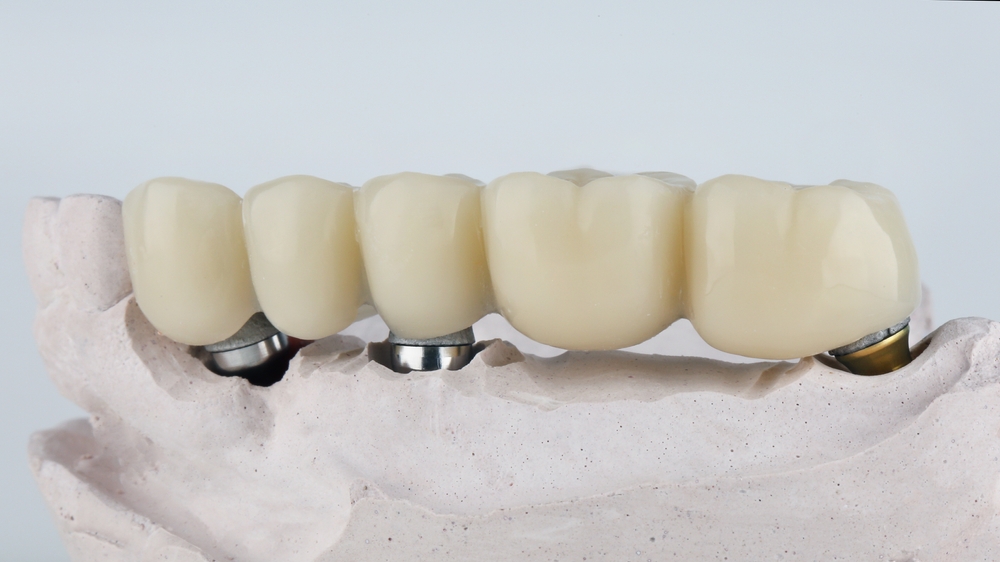
  • Implant-Supported Bridge: For replacing multiple missing teeth, the bridge is secured onto dental implants rather than natural teeth, eliminating the need to crown adjacent healthy teeth.

Restorative treatment helps maintain your facial structure and prevent common oral health issues associated with tooth loss

Benefits of Dental Bridges

Choosing a fixed dental bridge offers substantial benefits that improve both your quality of life and your long-term oral health. This comprehensive solution does much more than simply restore the look of your smile.

  • Restores Your Smile: Bridges immediately fill the gap left by missing teeth, giving you a complete, aesthetically pleasing, and uniform smile that boosts your confidence.
  • Restores Chewing Ability: With a fixed bridge, you can eat comfortably and effectively, regaining the ability to properly chew and digest a wide variety of foods.
  • Prevents Tooth Shifting: By filling the space, the bridge stops the remaining natural teeth from drifting out of position, which prevents bite problems and potential jaw issues.
  • Maintains Facial Shape: Tooth loss, particularly multiple teeth, can lead to collapse of facial features. Bridges help preserve the natural contour of your face and jawline.
  • Distributes Bite Forces: The bridge helps evenly distribute the forces of your bite across the remaining teeth, reducing undue stress on any single tooth or jaw joint.
  • Permanent and Fixed: Unlike removable partial dentures, a dental bridge is cemented permanently into place, meaning there is no need to take it out for cleaning, simplifying your daily routine.
  • Durable Longevity: Fixed bridges, especially those made from high-quality porcelain fused to metal or zirconia, are incredibly strong and can last 10 to 15 years or more with diligent care.

Dental Bridge Candidacy

Dental bridges are an ideal solution for many adults who are missing one or more adjacent teeth. Successful candidacy depends on the health and strength of the teeth surrounding the gap.

  • Individuals Missing One or More Teeth: The primary candidates are those who have a single gap or two or three consecutive missing teeth.
  • Patients with Healthy Abutment Teeth: The adjacent natural teeth must be strong and healthy enough to adequately support the crowns that will anchor the bridge.
  • Adults with Good Oral Health: Anyone who is free of active gum disease or major untreated decay is a strong candidate for restorative treatment.
  • Those Seeking a Fixed Solution: Candidates prefer a permanent, non-removable restoration over a removable appliance like a partial denture.
  • People Who Prefer Non-Surgical Options: A traditional bridge is a great choice for patients who are not candidates for or prefer to avoid the surgical placement of dental implants.
  • Individuals Committed to Oral Hygiene: Candidates must be dedicated to meticulously cleaning under and around the bridge using special dental tools.
  • Patients with Stable Jawbone: The bone in the area must be stable enough to support the necessary chewing forces, though this is less critical than for dental implants.
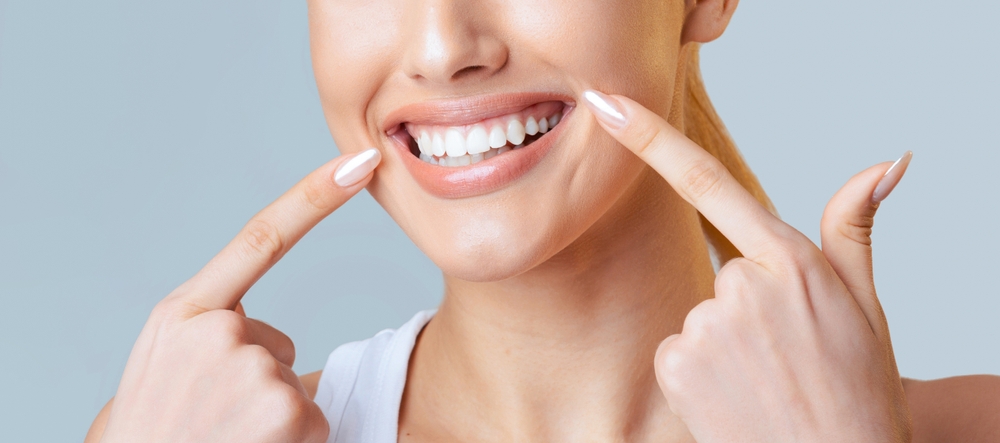
close up of woman's smile

The Dental Bridge Procedure at Madison Dental Care

Placing a traditional dental bridge typically requires two visits to Madison Dental Care. This multi-step process ensures your bridge is custom-made for a perfect, long-lasting fit and aesthetic result.

1. Preparing the Abutment Teeth

During the first visit, the doctor gently reshapes the two supporting teeth (abutments) on either side of the gap. This preparation allows the final crowns to be placed over them securely without appearing bulky or large.

2. Taking Impressions

A highly accurate impression or digital scan of the prepared teeth and the surrounding area is taken. This precise model is sent to our dental laboratory, where the bridge (including the pontic and two crowns) will be custom-fabricated.

3. Placing a Temporary Bridge

To protect the prepared abutment teeth and the exposed gums, a temporary bridge is fabricated and cemented into place. This allows you to eat and speak normally while your permanent, custom bridge is being created, which usually takes about two weeks.

4. Final Bridge Placement

At the second appointment, the temporary bridge is removed. The permanent, custom-fabricated bridge is carefully placed, and the doctor checks the fit, comfort, and occlusion (your bite). Once all checks are completed, the bridge is permanently cemented onto the abutment teeth.

Caring for Your Dental Bridge Results

A dental bridge requires diligent care to maintain the health of the underlying abutment teeth and gum tissue. A strong focus on cleaning the area beneath the pontic is necessary to prevent decay and gum disease.

  • Use Specialized Flossing Tools: Regular floss cannot fit under the bridge. Use a floss threader, bridge threader, or a specialized interdental cleaner to clean the area between the pontic and the gum line daily.
  • Brush Gently and Thoroughly: Brush your teeth and the bridge twice daily with a non-abrasive fluoride toothpaste, focusing on the margins where the bridge meets the natural tooth.
  • Maintain Regular Dental Check-ups: Ensure you keep your appointments every six months at Madison Dental Care so we can professionally clean around the bridge and check for any signs of cement wash-out or decay.
  • Avoid Excessive Force: Do not bite down on hard objects like ice, bone, or very sticky, chewy candies that could potentially dislodge or fracture the bridge material.
  • Watch for Food Trapping: Pay attention to any signs that food is consistently getting trapped under the bridge, as this might indicate an issue with the fit that needs to be addressed.
  • Consider a Water Flosser: Many patients find that using a water flosser is an excellent, efficient way to clean the hard-to-reach areas underneath the fixed prosthetic.

implant-supported bridge in jawbone

Dental Bridge Costs & Financing

The cost of a dental bridge varies depending on the type of bridge, the number of teeth being replaced, and the materials used (e.g., porcelain fused to metal, zirconia, or full ceramic). Because a bridge is a functional and restorative treatment, a portion of the fee is often covered by dental insurance plans. We provide a detailed treatment plan outlining all costs before you begin treatment.

  • Price Variability: The fee will increase based on how many artificial teeth (pontics) are included in the bridge, which typically range from one to three.
  • Insurance Coverage: Most dental insurance policies classify bridges as a major restorative procedure and may cover up to 50% of the cost after your deductible is met.
  • Material Choice Impact: Bridges made of highly aesthetic, full ceramic or zirconia often have a higher lab cost than those made of porcelain fused to a metal base.
  • Financing Available: To make your necessary restoration affordable, we work with various financing companies to offer convenient payment plans that suit your household budget.

Possible Side Effects for Dental Bridges & Alternative Treatment Options

A fixed bridge requires the preparation and crowning of the abutment teeth, which is a permanent, irreversible process. Should one of the abutment teeth fail (due to decay or root canal issues), the entire bridge must be removed and replaced. While highly durable, traditional bridges do not stimulate the jawbone beneath the missing tooth, which can lead to gradual bone loss in that area over time. This is a vital factor to consider when comparing it to an implant-supported solution.

Common Alternatives

If a traditional bridge is not the best choice for your situation, we will discuss two primary alternatives:

  • Dental Implants: The most durable and permanent solution, as the implant replaces the tooth root, preventing jawbone deterioration and not requiring modification of adjacent teeth.
  • Removable Partial Dentures: A less invasive and generally less costly option that replaces missing teeth but must be removed nightly and for cleaning.

Possible Side Effects

Getting a fixed bridge is a predictable procedure, but some patients may experience minor, short-term issues:

  • Temporary Sensitivity: It is common for the newly prepared abutment teeth to feel temporarily sensitive to hot or cold temperatures until the final bridge is cemented.
  • Gum Tenderness: The gum tissue around the abutment teeth and under the pontic may be slightly tender immediately following the appointments.
  • Bite Adjustment: You may need a minor adjustment appointment after the bridge is seated to ensure your bite feels completely balanced and comfortable.

Frequently Asked Questions

If the bridge is properly designed and fitted, food trapping should be minimal. However, you must meticulously clean the area under the bridge with specialized tools to ensure no bacteria or debris collects there.

A well-crafted fixed dental bridge can typically last between 10 and 20 years before it may need to be replaced. Maintaining excellent daily oral hygiene, coupled with regular visits to a dental professional for check-ups and cleanings, plays a crucial role in the longevity of a high-quality fixed dental bridge.

Additionally, effectively managing stress can contribute to overall dental health. Factors such as diet, oral care habits, and individual dental health also influence its durability.

No, the porcelain or ceramic material used for your bridge cannot be whitened using professional bleaching treatments. If you plan to whiten your teeth, you should do so before the bridge fabrication process begins.

If you are only missing the last back molar, a traditional bridge cannot be placed, as there is only one abutment tooth available. In this case, an implant-supported crown or a cantilever bridge may be the recommended solution.

Yes, over time, the cement may degrade, the abutment teeth may develop decay, or the porcelain may wear or fracture. For these reasons, all fixed dental restorations eventually need replacement.

Dental Bridge Solutions Near Huntsville & Madison

Restore the integrity and beauty of your smile with a durable, fixed dental bridge from Madison Dental Care‘s experienced team. Our patients consistently praise our gentle approach, professional expertise, and welcoming atmosphere—qualities that have earned us a trusted reputation across North Alabama for over a decade.

Whether you’re replacing one tooth or several, Dr. Burgess, Dr. Roth, and Dr. Randall will ensure your bridge fits perfectly and feels natural. Call us today at (256) 772-2626 to schedule your appointment in Madison. We are honored to serve patients across Huntsville, Athens, and Decatur with compassionate, patient-centered care!

keyboard_arrow_up