Advanced Imaging for Safer, Smarter Dentistry Near Athens
Our in-house 3D Cone Beam CT scanner allows us to plan with extraordinary precision. This technology produces crystal-clear, three-dimensional images of your teeth, bone, sinuses, and nerves—helping us safely and accurately prepare for complex procedures like implants, extractions, and oral surgeries. It’s one of the many ways we ensure your care is precise, personalized, and guided by the latest advancements in dentistry.
Unlike standard imaging, 3D Cone Beam scans provide more detail in less time, reducing guesswork and improving your results. By investing in these tools, we’re able to deliver safer treatment, faster healing, and more predictable outcomes—all while making your experience more efficient and comfortable.
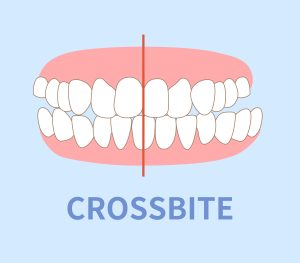 What Is a Crossbite?
A crossbite occurs when the upper and lower teeth don’t align properly when your mouth is closed. In a normal bite, the upper teeth sit slightly in front of the lower teeth. However, in a crossbite, this relationship is reversed, and some lower teeth may be positioned in front of the upper teeth. Crossbites can cause discomfort, difficulty chewing, and lead to potential dental issues like uneven tooth wear, jaw pain, and increased risk of tooth decay and gum disease.
Causes of Crossbites
Crossbites can develop for various reasons that affect jaw growth and tooth positioning:
- Genetics: Inherited jaw size discrepancies or tooth positioning patterns often contribute to crossbite development, making family history an important factor.
- Childhood Habits: Prolonged thumb-sucking, pacifier use beyond age three, or tongue-thrusting can alter jaw development and tooth alignment.
- Dental Issues: Tooth loss, oral trauma, or delayed tooth eruption can cause remaining teeth to shift into improper positions, creating crossbite conditions.
- Breathing Problems: Chronic mouth breathing due to allergies or enlarged tonsils can affect jaw development and lead to crossbite formation.
Types of Crossbites
Anterior Crossbite
An anterior crossbite occurs when one or more top front teeth sit behind the bottom front teeth. This condition is sometimes referred to as a reverse overbite or underbite. Anterior crossbites can cause uneven wear on the teeth, potential speech issues like lisping, and affect the development and appearance of the front teeth and jaw structure.
Posterior Crossbite
A posterior crossbite occurs when one or more of the upper back teeth fall inside the lower back teeth when the mouth is closed. This condition can affect jaw movement patterns and lead to jaw pain, uneven tooth wear, facial asymmetry, and TMJ disorders if left untreated.
Whether you have an anterior crossbite, posterior crossbite, or a combination of both, Invisalign can often provide an effective, comfortable solution that fits seamlessly into your lifestyle.
Contact our dental clinic near you today by calling (256) 772-2626.
Benefits of Using Invisalign to Correct Crossbites
 Exceptional Comfort Throughout Treatment
Invisalign aligners are custom-made from smooth, BPA-free plastic that fits comfortably over your teeth without any sharp edges or metal components to irritate your mouth, lips, or cheeks. The gentle, gradual pressure applied by each aligner is much more comfortable than the significant adjustments required with traditional braces. Plus, unlike metal braces that can break or cause injuries, Invisalign aligners rarely require emergency visits.
Unmatched Convenience for Your Lifestyle
Because Invisalign aligners are removable, you can maintain your regular eating habits and oral hygiene routine without any restrictions or complicated procedures. Want to enjoy corn on the cob or a crunchy apple? Simply remove your aligners before meals, then replace them after brushing your teeth. You can brush and floss normally throughout treatment, reducing your risk of cavities and gum disease.
Discreet Treatment You Can Feel Good About
If you’re concerned about how orthodontic treatment might affect your appearance, Invisalign’s nearly invisible aligners are the perfect solution. Most people won’t even notice you’re undergoing treatment, making Invisalign ideal for professionals, students, and anyone who wants to maintain their confident appearance throughout their bite correction journey.
Predictable Results You Can See in Advance
With Invisalign’s advanced digital planning technology, you’ll see a virtual preview of your corrected bite before treatment even begins. This exciting visualization gives you confidence in your decision and helps you understand exactly what to expect throughout your treatment timeline.
Who is a Good Candidate for Invisalign for Crossbites?
Invisalign is suitable for many patients with crossbites, but several factors determine candidacy:
Crossbite Severity
- Mild to Moderate Cases: Invisalign works best for less severe crossbites that don’t involve significant skeletal discrepancies. These cases typically respond well to gradual tooth movement.
- Complex Cases: Severe crossbites may require additional treatments like palatal expansion or orthognathic surgery before or during Invisalign therapy.
Patient Commitment
- Compliance Requirements: Invisalign aligners must be worn for 20-22 hours per day for optimal results. Disciplined patients who can maintain consistent wear achieve faster, more predictable outcomes.
- Oral Hygiene: Good brushing and flossing habits are important for preventing complications during treatment and maintaining aligner clarity.
Age and Dental Health
- Teens and Adults: Invisalign is popular among adults and older teens who want a discreet orthodontic solution that fits their lifestyle and professional needs.
- Healthy Foundation: Candidates should have healthy teeth and gums before starting treatment. Any existing cavities, gum disease, or dental infections should be addressed first.
Let’s discover if crossbite treatment with Invisalign is possible for you! Contact our dentist in Madison by calling (256) 772-2626!
What Happens If I Don’t Treat My Crossbite?
Leaving a crossbite untreated can lead to serious complications that worsen over time:
Dental Problems
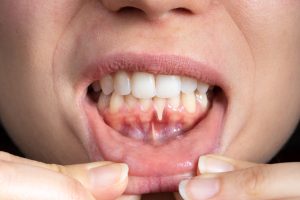 Uneven Tooth Wear: Crossbites create abnormal contact patterns that cause some teeth to wear down faster than others, leading to enamel loss, sensitivity, and increased cavity risk.
- Jaw Pain and TMJ Disorders: Improper bite alignment strains jaw muscles and joints, potentially causing chronic pain, clicking sounds, and difficulty opening your mouth comfortably.
- Gum Recession: Misaligned teeth can cause gum tissue to recede, exposing tooth roots and increasing sensitivity and infection risk.
Functional Issues
- Chewing Difficulties: Crossbites can make it challenging to chew food effectively, potentially affecting digestion and limiting dietary choices.
- Speech Problems: Improper tooth alignment can interfere with clear speech, causing lisping or difficulty pronouncing certain sounds clearly.
- Facial Asymmetry: Untreated crossbites can contribute to uneven facial development, particularly in growing children and adolescents.